Plantar Fasciitis Treatment in Akron, Ohio
Softwave Healing treats plantar fasciitis and heel pain across Summit and Medina counties. This is the condition focused shockwave has the strongest research behind, and one visit tells you if yours responds.
That first step out of bed
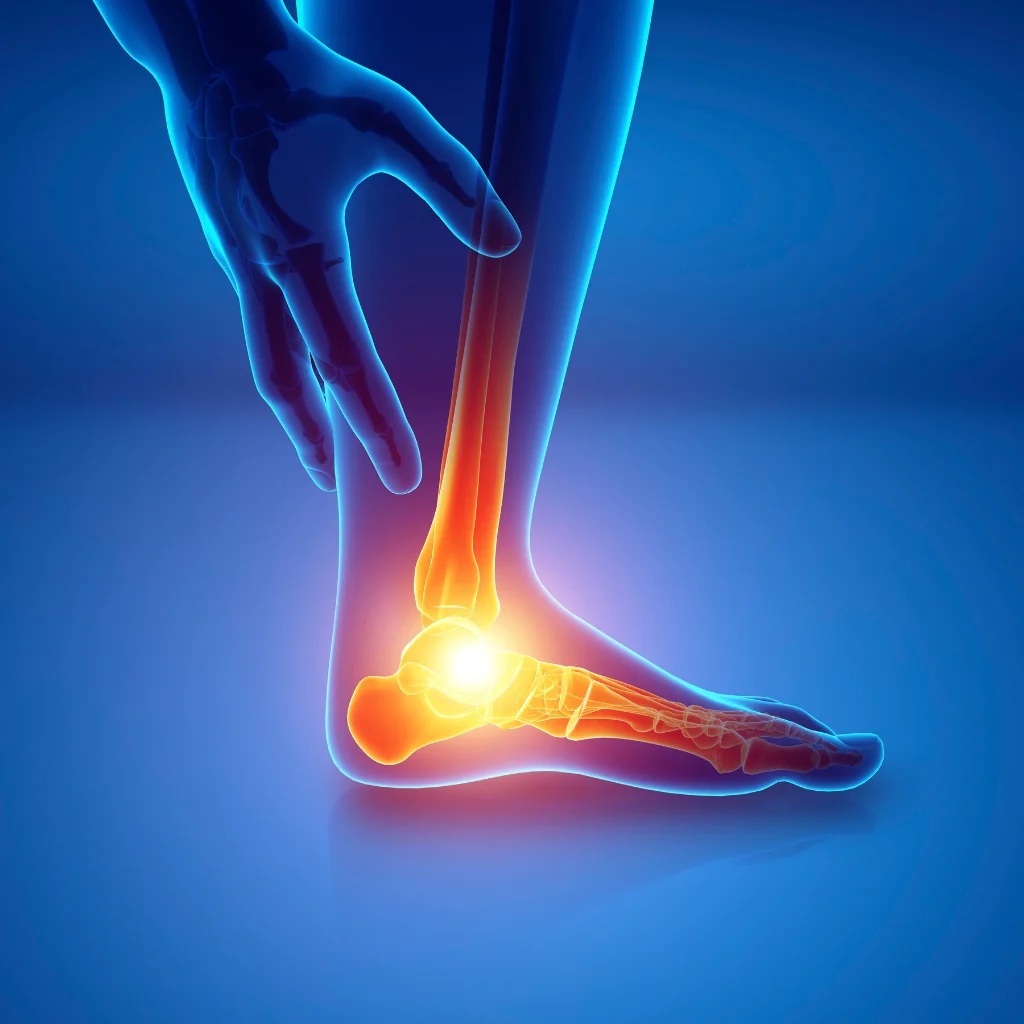
You know the one. Feet hit the floor and it is a sharp, knife-like stab in the heel, worst in the first few steps, easing as you move. By evening it is back. That pattern is the classic sign of plantar fasciitis, and it happens because the fascia tightens overnight and then takes your full weight cold.
Most people wait months before doing anything about it, because it fades every morning and that feels like proof it is getting better. It usually is not. It is just loosening up.
If your heel pain sits further back and feels more like the tendon than the sole, that is a different problem from plantar fasciitis, and the mapping scan will tell them apart.
You have already bought the orthotics
Custom orthotics, the night splint, the rolling frozen water bottle, new shoes twice. Then physical therapy that helped a little and then plateaued. Maybe a cortisone shot that bought a few good weeks.
That history is not a sign you did the wrong things. Most of them are reasonable first steps and they work for plenty of people. What they have in common is that they change the load on the fascia or quiet the pain around it. None of them do anything to the damaged tissue itself.
That is the gap this is aimed at. Not the calluses, not the insert. The fascia.
This is the one the research actually backs
Worth being direct, because this site is careful about the opposite case. For several conditions treated here the research is thinner than the marketing suggests, and those pages say so plainly.
Plantar fasciitis is not one of them. It is among the best-studied uses of focused shockwave therapy, alongside Achilles and patellar tendinopathy and calcific rotator cuff tendinitis. If you have read that shockwave is unproven, that is a fair thing to have read about some conditions and not about this one.
That does not make it certain for you. It means the odds start in a better place. The mapping visit is where you find out about yours: over healthy tissue the wand is light tapping, and over damaged fascia the sensation spikes. That spike is the target.
“I'll be honest — I was skeptical. I had a stress reaction in my foot that wasn't healing, and I'd heard it all before. But after just one session I noticed a difference, and by the next day the pain had decreased significantly. I'm back to full activity now. I'm a believer.”
Glenn Akins
Patient
You cannot rest it when you are on your feet all shift
Rest is the standard advice and it is the least usable advice there is. Health care is the largest employer in Summit County, around 43,000 people, and a lot of those jobs are twelve-hour shifts on hard floors. Add the warehouses, the shop floors, and the trades, and "stay off it" stops being a plan.
Treatment here does not ask you to. There is no incision, no anesthesia, and no recovery period, so you go back to work from the appointment. Some soreness in the heel later that day is normal and usually settles by morning.
Paying for it, and what you have already spent
A course runs six to twelve sessions. None of it is covered by insurance, and it is HSA and FSA eligible.
Before that lands badly, add up what you have already spent. Two pairs of custom orthotics, the good shoes you now replace on a schedule, the physical therapy copays, the shot. People who have had heel pain for a year or more are usually further into it than they realize.
The mapping visit is where you find out whether your fascia reacts, before you decide about the rest.
Common Questions
How many sessions will I need for plantar fasciitis?
Packages run six to twelve sessions, and people commonly report noticing a change somewhere in the first three to six. Plantar fasciitis is one of the better-responding conditions treated here, but the honest answer is that the mapping visit tells you more than any average does. If your fascia does not react under the wand, you will hear that before you buy a package.
Does the treatment hurt on the heel?
The heel is a sensitive spot, so expect to feel it. Intensity is adjusted to what you can handle. Some soreness later that day is normal and usually settles by the next morning.
Can I keep working and training while I go through it?
Yes. There is no incision, no anesthesia, and no recovery period, so people go back to work straight from the appointment. If you are a runner, say so, because that changes how the intensity gets set and what gets said about mileage between sessions. Nobody here will tell you to sit still for three months.
I have already had a cortisone shot in my heel. Does that rule this out?
No. Plenty of people arrive having had one or more. A shot quiets the inflammation around the area for a while, and when it wears off the underlying tissue is usually unchanged. That is often what brings people in. The mapping visit works the same either way, and previous injections do not disqualify you.
How do I know if it is plantar fasciitis or a heel spur?
Plantar fasciitis pain sits along the sole and is worst in the first steps of the morning. Heel spur and Achilles pain tends to sit further back, at the base of the heel or behind it, and often hurts more after activity than before. The mapping scan sorts it out either way.
Also under Non-Surgical Pain Treatment
- Rotator Cuff Tendinopathy and Shoulder Pain
- Elbow and Wrist Pain
- Non-Surgical Knee Pain Treatment
- Achilles Tendinitis and Heel Spur Pain