Shockwave Therapy in Akron, Ohio
Softwave Healing brings true focused shockwave therapy to Summit and Medina counties. Find out in one visit whether your pain responds, before you commit to a treatment package.
What a shockwave actually is
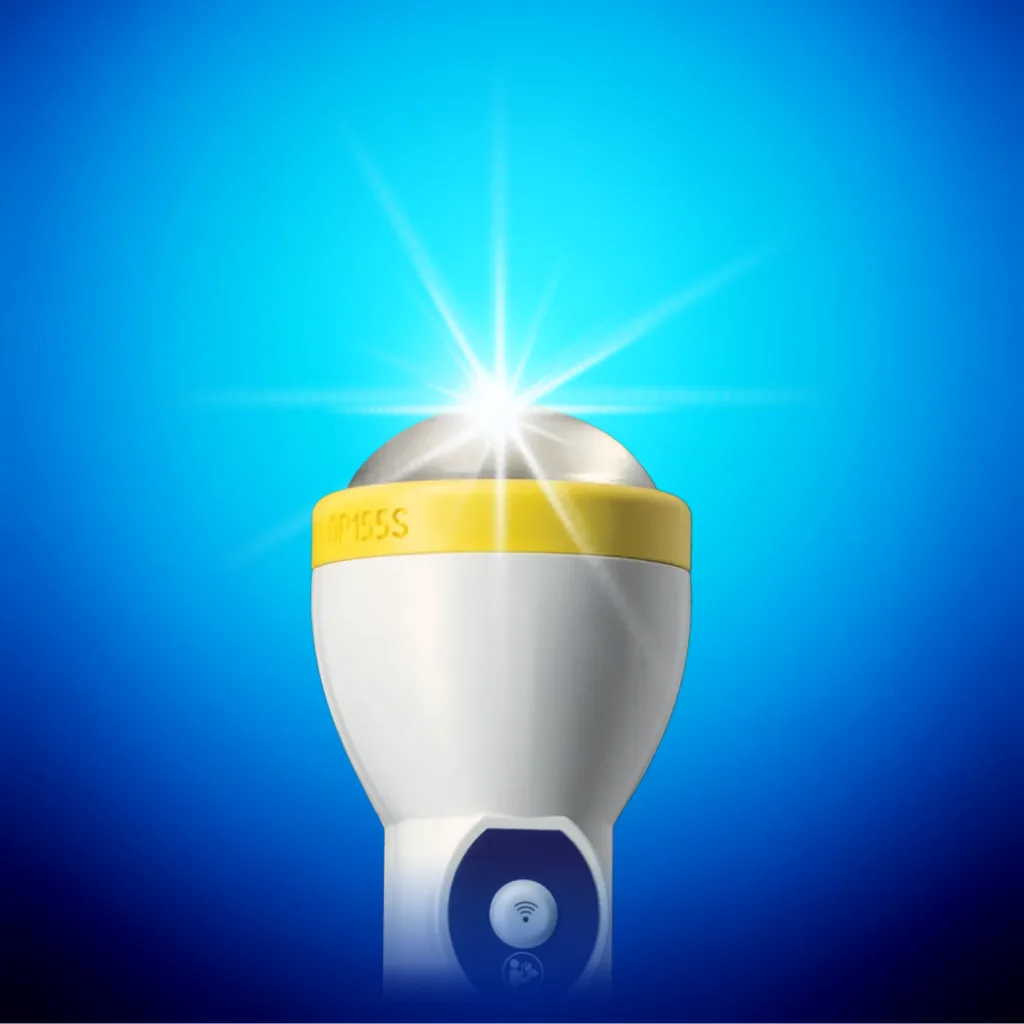
A shockwave isn't electricity and it isn't heat. It's a pressure wave that travels through tissue and releases its energy where the tissue changes density. In an FDA-cleared electrohydraulic machine like the OrthoGold 100, a spark inside a fluid-filled head creates that wave, and a reflector shapes it so the energy spreads across a broad focused zone rather than a single point. That's the whole mechanism. You feel it as light tapping over healthy tissue and as a sharper spike over tissue that's damaged, which is exactly what makes the mapping scan possible in the first place.
Focused versus radial, and why people are told to check
Radial devices are the ones most often sold as shockwave. They use compressed air to drive a projectile against an applicator head, which spreads a pressure wave outward near the surface. People who have had both often describe radial as a noisy massage gun. Focused shockwave reaches deeper tissue and covers a wider treatment zone at once. If you have read that you should find focused and not radial before booking anywhere, that difference is what the advice is pointing at. It is worth knowing which type of machine a clinic owns before you sit down.
Where the evidence is strong and where it is thinner
Shockwave therapy has a real research base, and it is not spread evenly. The strongest support sits with tendon and fascia problems: plantar fasciitis, Achilles and patellar tendinopathy, lateral epicondylitis, and calcific rotator cuff tendinitis. For peripheral neuropathy, knee osteoarthritis, and carpal tunnel the evidence is thinner, so the honest framing is that treatment may help reduce symptoms rather than treat the condition itself. Clinics advertising shockwave for nearly any musculoskeletal problem are worth a second look. You should be told which side of that line your own condition sits on.
Who this is not for
Shockwave is not the answer to everything, and some people do get turned away. An acute unstabilized fracture needs orthopedic fixation first, not acoustic waves. If what you are after is a prescription, this is not that kind of clinic.
What it is built for is the opposite case. Musculoskeletal pain that has been there for months or years and has already outlasted rest, physical therapy, and injections. The mapping visit is where that gets sorted out, before anyone talks about a package.
Paying out of pocket when insurance will not cover it
Insurance in the US does not cover acoustic wave therapy, and that stops a lot of people before they start. Sessions run $150 to $250 per treatment area. Packages run $1,200 to $3,200 and cover six to twelve sessions.
Patients who did the math tend to describe it the same way. Add up the physical therapy copays that plateaued, the custom orthotics, the shoes, the days off work. The gap narrows fast. Set it against a joint replacement and three months of rehab and it narrows further.
Care here is cash-based and HSA or FSA eligible, so pre-tax dollars are on the table. Nothing waits on a prior authorization or an appeal.
Walking the Towpath again without a limp
The phrase that shows up over and over in shockwave reviews is "no more limp." Not a percentage. Not a pain scale. Just walking normally again.
That lands differently here than it would somewhere else. The Towpath Trail runs 22.4 miles through Summit County with 17 trailheads, past Cascade Locks and into downtown Akron. It is flat, it is close, and it is the thing a lot of patients say they gave up first when a knee or a heel stopped cooperating.
Nobody can promise you the trail back. What you can find out, in one visit, is whether the tissue keeping you off it responds to acoustic waves at all.
Common Questions
What does a shockwave session feel like?
Over healthy tissue it feels like light tapping. Over damaged tissue the sensation spikes, and that spike is the diagnostic. Intensity gets adjusted to what you can handle, so most people describe it as bearable. Some soreness in the treated area later that day is normal and usually settles by the next morning.
Is shockwave therapy the same thing as SoftWave?
SoftWave is a brand of focused shockwave device. The machine here is a SoftWave OrthoGold 100, which is electrohydraulic and broad-focused. So all SoftWave is shockwave, but not all shockwave is SoftWave, and a lot of what gets sold under the shockwave name is radial rather than focused.
How many sessions of shockwave therapy will I need?
Packages here run six to twelve sessions, and people commonly report noticing a change somewhere in the first three to six. A problem that has been building for years usually needs the longer end of that. Your count gets set after the mapping visit, once the clinician sees how much reactive tissue there is.
Is shockwave therapy covered by insurance?
No. Acoustic wave therapy isn't a covered benefit in the US, so care here is cash-based. The discovery and mapping visit runs $49 to $99, single sessions run $150 to $250 per treatment area, and multi-session packages run $1,200 to $3,200. It is HSA and FSA eligible.
Is there any downtime after a treatment?
There is no incision, no anesthesia, and no recovery period, so people go back to work straight from the appointment. Soreness in the treated area later that day is common and usually gone by morning. If your job is heavy labor, say so and the intensity gets set with that in mind.
Start by finding out if it works for you
Start with the $49 to $99 mapping visit. It tells you whether your tissue responds before you commit to a course of sessions.